
Areas of intervention
Areas of Intervention within the Framework of South-South Fisheries Cooperation
Ocean Sustainability
Sustainable Use of Living Marine Resources
Implementation of Relevant International Legal Instruments

Regional Blue Economy

Capacity Building

Fisheries Research

Development of Sustainable Aquaculture

Combating Illegal, Unreported and Unregulated (IUU) Fishing

Empowerment of Women in the Fisheries Value Chain
Inclusion of Youth in Fisheries and Aquaculture
Ocean Sustainability
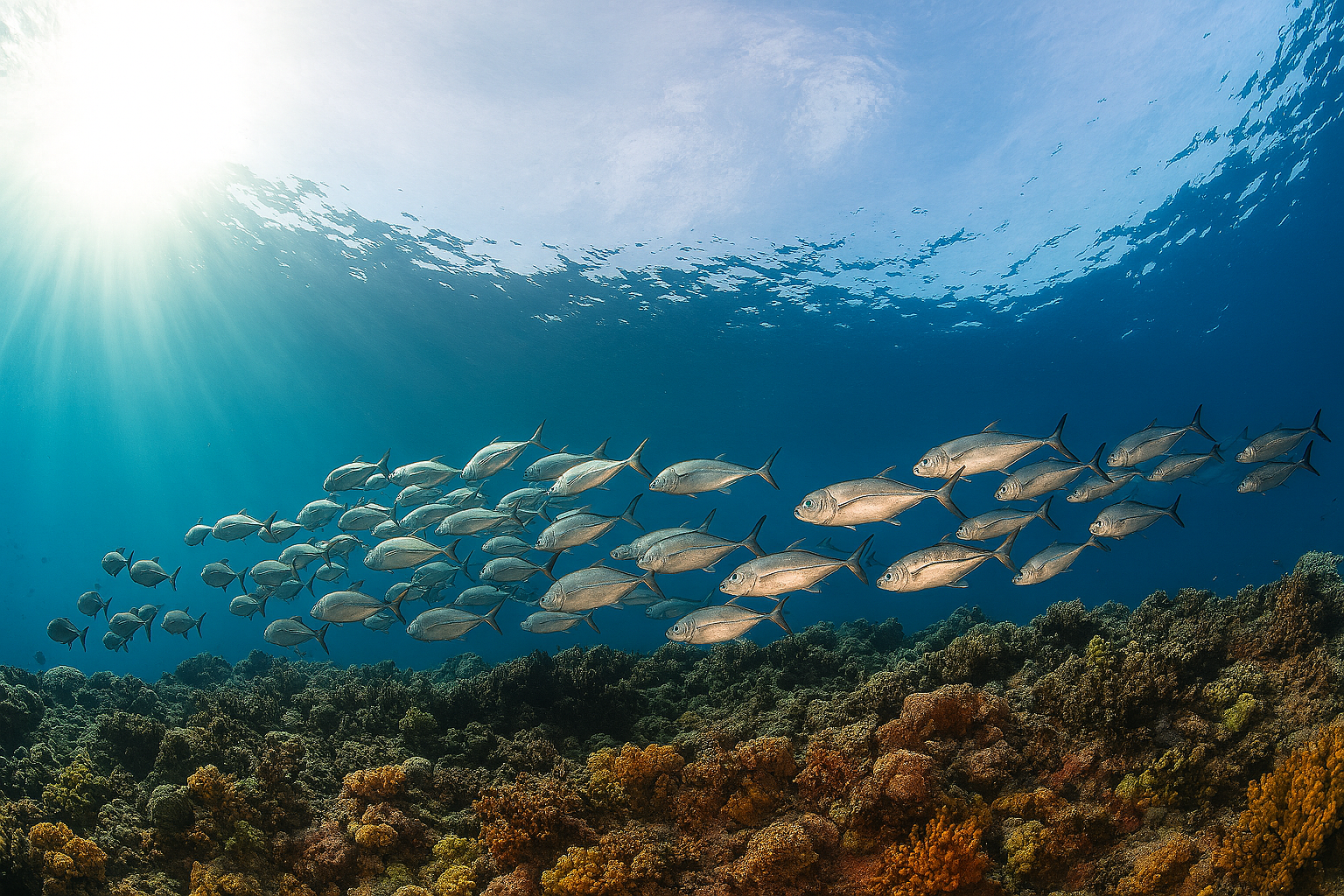
In the face of climate change impacts combined with a complex and systemic context that is highly interdependent and accelerating ocean transformation, there is a need to fundamentally rethink current fragmented and multiple solutions. ATLAFCO aims to contribute to decision-making that can accelerate actions in favor of ocean and marine basin sustainability.
ATLAFCO’s action also focuses on the protection of the marine environment and the preservation of its ecosystem. The organization encourages its member states to intensify their efforts to achieve this objective.
It works to strengthen bilateral, sub-regional, and international cooperation mechanisms related to the preservation of coastal areas in the region and to promote adherence to relevant international legal instruments.
Actions aimed at ocean sustainability, including the fight against marine pollution and plastic pollution, are also promoted by ATLAFCO and included in its Strategic Action Plan.
Sustainable Use of Living Marine Resources
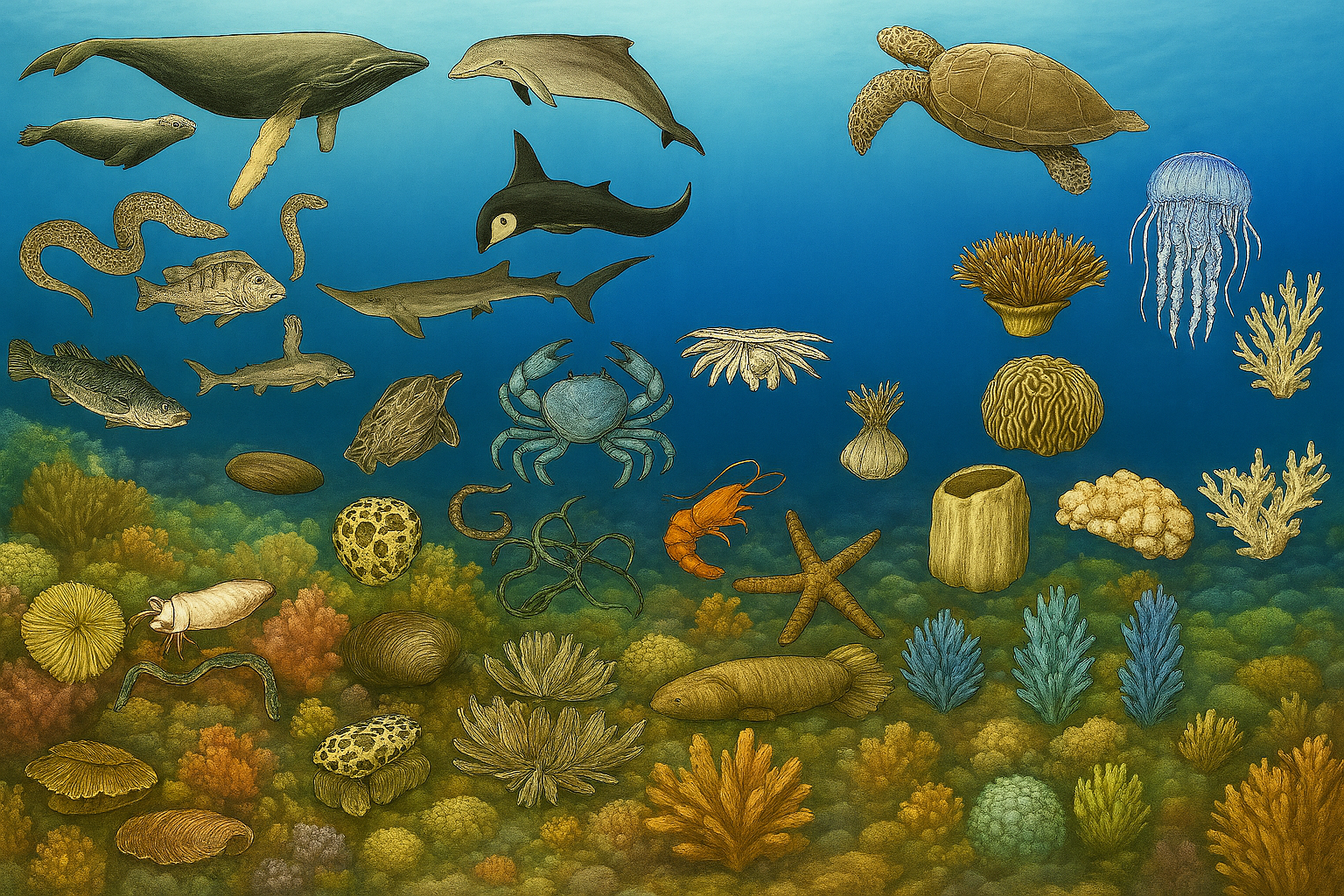
In this framework, ATLAFCO aims to combine efforts, leverage complementarities, exchange information, and harmonize national strategies for sustainable fisheries governance, particularly for shared stocks and highly migratory species.
To achieve this objective, ATLAFCO encourages its member states to establish appropriate regulatory frameworks, develop a regional information exchange system, and coordinate within regional and international fisheries management bodies in order to adopt common policies and positions on fisheries governance and the sustainable use of living marine resources.
Implementation of Relevant International Legal Instruments
ATLAFCO supports its member states in the implementation of international treaties and legal instruments.
Indeed, thanks to its historical anchoring and recognized standing, numerous regional and international fisheries management organizations rely on ATLAFCO to support its member states in implementing legal and regulatory instruments in several areas related to ocean sustainability, fisheries activities, work at sea, and navigation safety (PSMA/FAO, BBNJ Agreement, ILO Convention No. 188 on Work in Fishing, Cape Town Agreement 2012 on fishing vessel safety, etc.).
Regional Blue Economy
ATLAFCO is committed to promoting the development of a regional blue economy as a new driver of sustainable and resilient growth at the continental level, contributing with its member states to the development of an appropriate regional strategy that aligns sectoral policies and integrates a holistic vision of marine resource governance.
Capacity Building
ATLAFCO contributes to strengthening the capacities of public managers across all disciplines of the fisheries sector and its value chain. This action also involves the sharing of national experiences and best practices, as well as engagement through ATLAFCO’s specialized networks and strategic partnerships signed with several regional and international fisheries organizations.
Fisheries Research
Given the importance of science and research in the fisheries system, ATLAFCO, through its network of African Fisheries Research Institutes of member states (RAFISMER), strengthens fisheries scientific cooperation through active intra-institutional communication.
In the current context affecting the fisheries value chain, scientific knowledge, quality data collection, analysis, and proper interpretation remain key to successful fisheries governance and policy development.
Through RAFISMER, ATLAFCO supports its member states in better understanding the impacts of biodiversity alteration factors such as global change dynamics, including climate change, pollution (including eutrophication), invasive species, and habitat degradation linked to coastal and shoreline development. This also strengthens the understanding of biodiversity functions at all scales (individuals, habitats, populations, and communities) and the dynamic interactions between living organisms and their physical and biological environment.
Development of Sustainable Aquaculture
Since its creation, ATLAFCO has played a horizontal role, ensuring the implementation of an integrated approach to strengthen and promote fisheries production development and valorization, particularly in aquaculture, in member states, so that its benefits positively impact socio-economic development.
Through its network of public aquaculture development institutions in member states (RAFAQUA), ATLAFCO considers aquaculture development one of the key pillars of the regional blue economy.
Combating Illegal, Unreported and Unregulated (IUU) Fishing
ATLAFCO’s contribution in this area responds to the need for member states to cooperate and exchange information in support of actions to combat all forms of illegal, unreported and unregulated fishing in the region, as well as to encourage adherence to relevant international instruments.
Fisheries Products Marketing
Fish trade plays an important role in the socio-economic development of countries in the region.
ATLAFCO’s action aims to support the use of innovative mechanisms to promote intra-African fish trade and increase commercial exchanges based on transparency and traceability mechanisms, particularly through partnerships established with specialized organizations (INFOPECHE, e-commerce platforms, etc.).
Empowerment of Women in the Fisheries Value Chain
ATLAFCO values the role of women in the fisheries value chain and works toward their empowerment through capacity building, improved working conditions, and access to financing for income-generating projects.
It relies on its African Network of Women in Fisheries (RAFEP) to promote experience sharing, dissemination of best practices, and strengthening of female leadership, while integrating a gender approach into sector policies.
Inclusion of Youth in Fisheries and Aquaculture
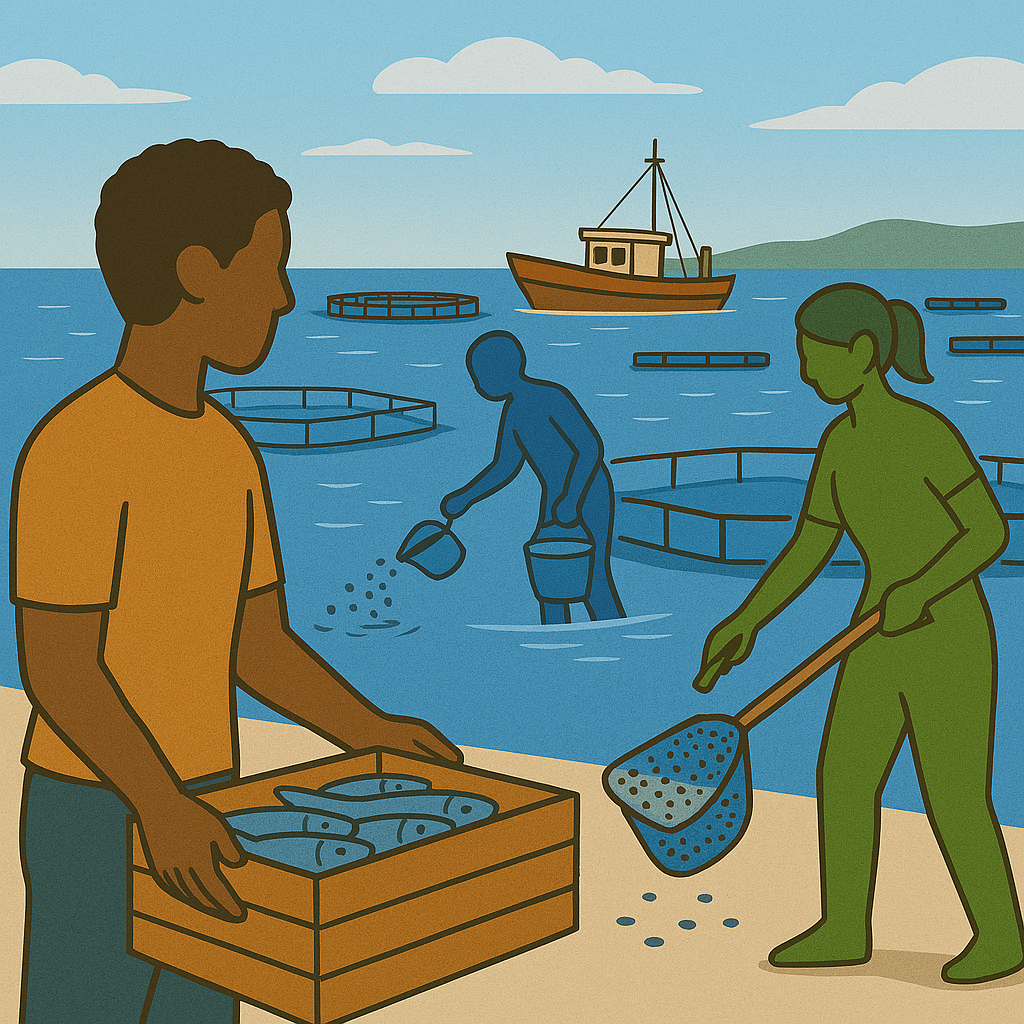
ATLAFCO encourages youth inclusion through capacity development for entrepreneurship (project design and management), employment and self-employment opportunities, as well as participation in consultation processes in fisheries governance decision-making.