
Category: Uncategorized
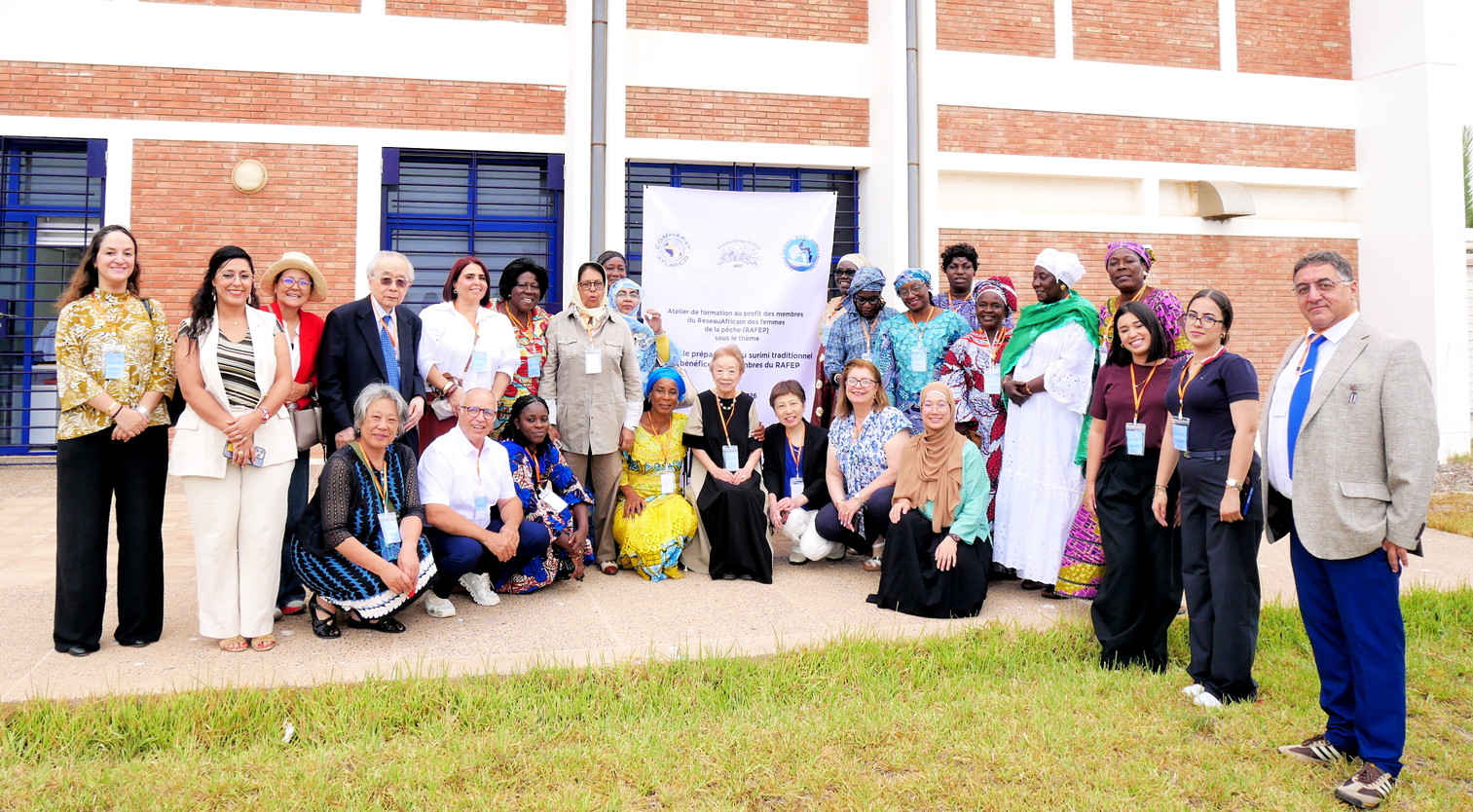
Training workshop for members of the African Network of Women in Fisheries (RAFEP) on the theme: “Project for the preparation of traditional surimi for the benefit of RAFEP members”
Workshop on the prevention of workplace accidents and occupational diseases
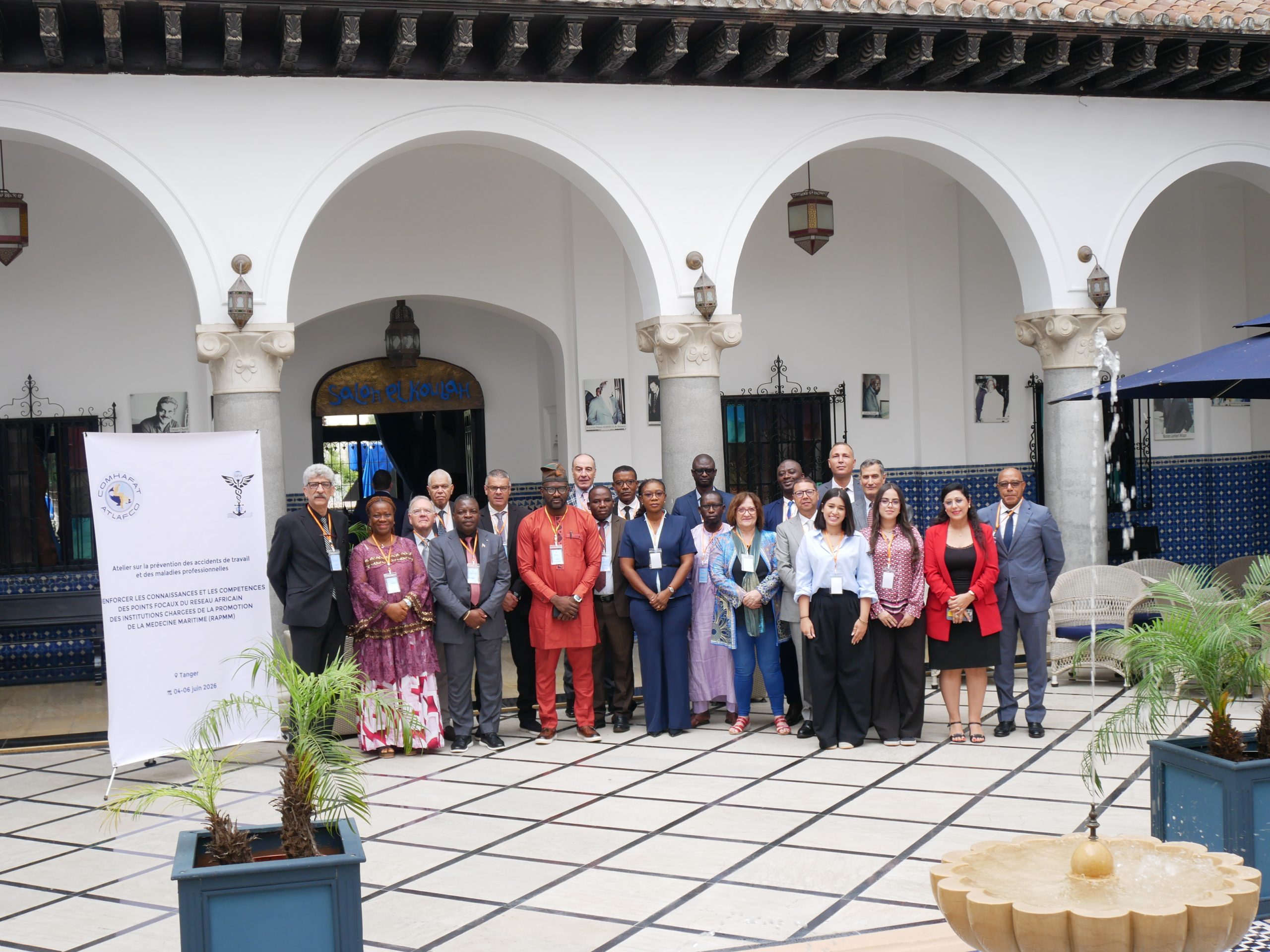
Atelier sur la prévention des accidents de travail et des maladies professionnelles :
« Strengthen the knowledge and capacities of the focal points of the African Network of Institutions Responsible for the Promotion of Maritime Medicine (RAPMM) »
Workshop on the Sustainable Use of Living Marine Resources
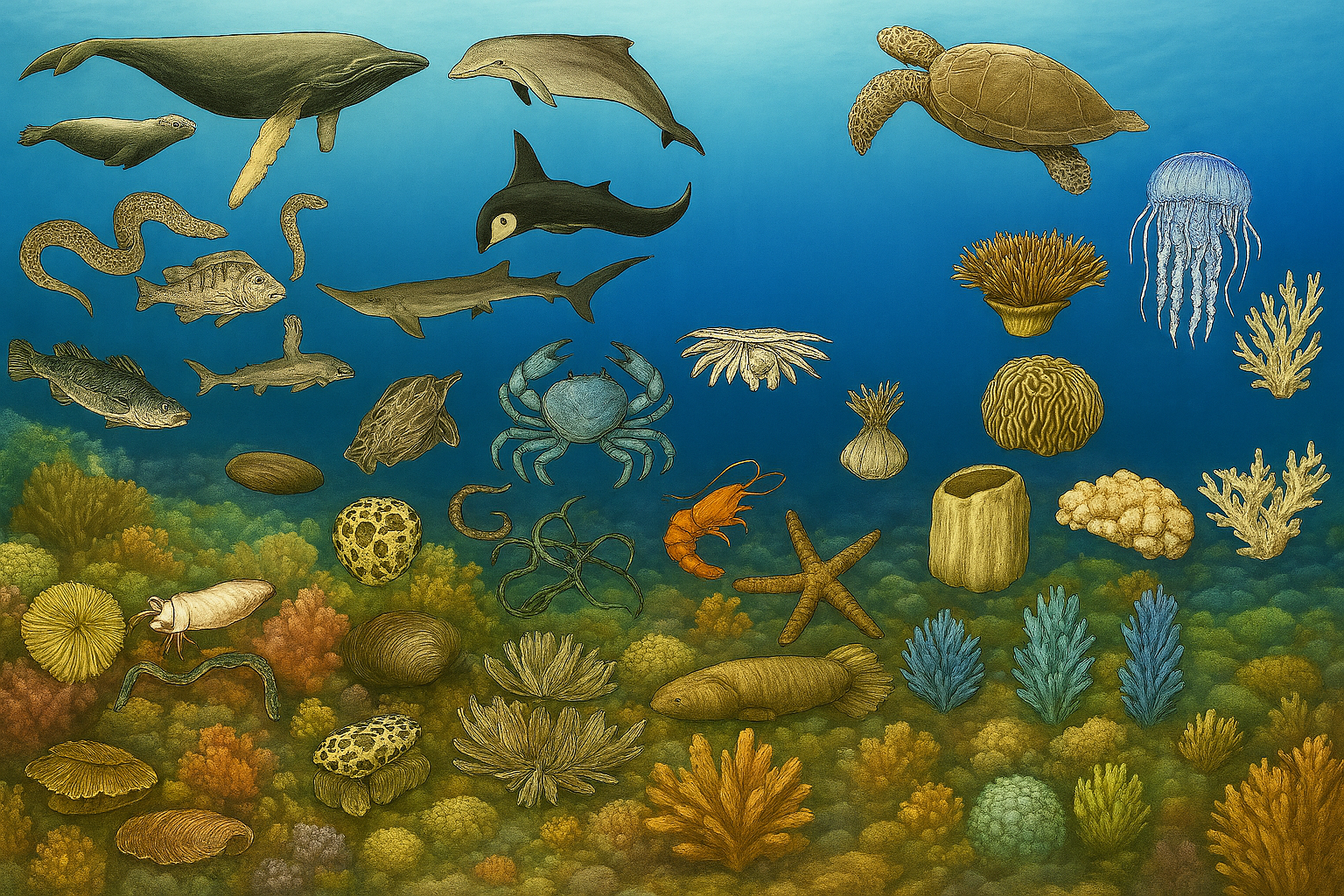
ATLAFCO Workshop “For a better understanding of the role of fishing and marine protected areas in the Agreement on the Conservation and Sustainable Use of Marine Biodiversity in Areas Beyond National Jurisdiction (BBNJ) and its implementation in the COMHAFAT region”

BBNJ Agreement: ATLAFCO Strengthens Regional Consultation
As part of its commitment to the sustainable use of living marine resources, on the one hand, and to strengthening the capacities of its Member States, on the other hand, ATLAFCO organized, on 18 and 19 May 2026 in Casablanca, a regional meeting dedicated to understanding the role of fisheries and Marine Protected Areas (MPAs) in the implementation of the BBNJ Agreement on marine biodiversity beyond national jurisdiction.
This strategic meeting took place in an international context marked by intensified efforts aimed at strengthening Ocean governance, preserving marine biodiversity and, for ATLAFCO, preparing the next steps related to the implementation of the BBNJ Treaty for its Member States that have ratified it.
Bringing together senior government representatives from its Member States, diplomats, international experts, regional fisheries organizations, the ATLAFCO network of African fisheries research institutes, as well as technical partners, this meeting served as a platform for understanding the challenges of this Treaty, exchanging views and reflecting on the strategic significance of this new international legal instrument for the ATLAFCO region and beyond.
Faced with the growing challenges confronting the oceans, notably overfishing, marine pollution, the effects of climate change, as well as the progressive degradation of marine habitats, participants emphasized that the BBNJ Agreement represents a major opportunity for Member States to strengthen their participation in international Ocean governance and to promote their priorities in food security, peace and stability.
All participants welcomed the regional momentum initiated by ATLAFCO on issues relating to marine biodiversity and Ocean sustainability. They reaffirmed the importance of scientific cooperation, technology transfer and capacity building in order to support effective participation in the implementation of this Treaty in favor of coordinated, sustainable and inclusive maritime governance.
The discussions also highlighted the need for stronger coordination among African States in order to promote a common vision and defend the continent’s interests during upcoming international negotiations on Ocean governance.
Workshop on Energy Transition in the Fisheries Sector: ATLAFCO Calls for Accelerating the Sustainable Transformation of African Fisheries
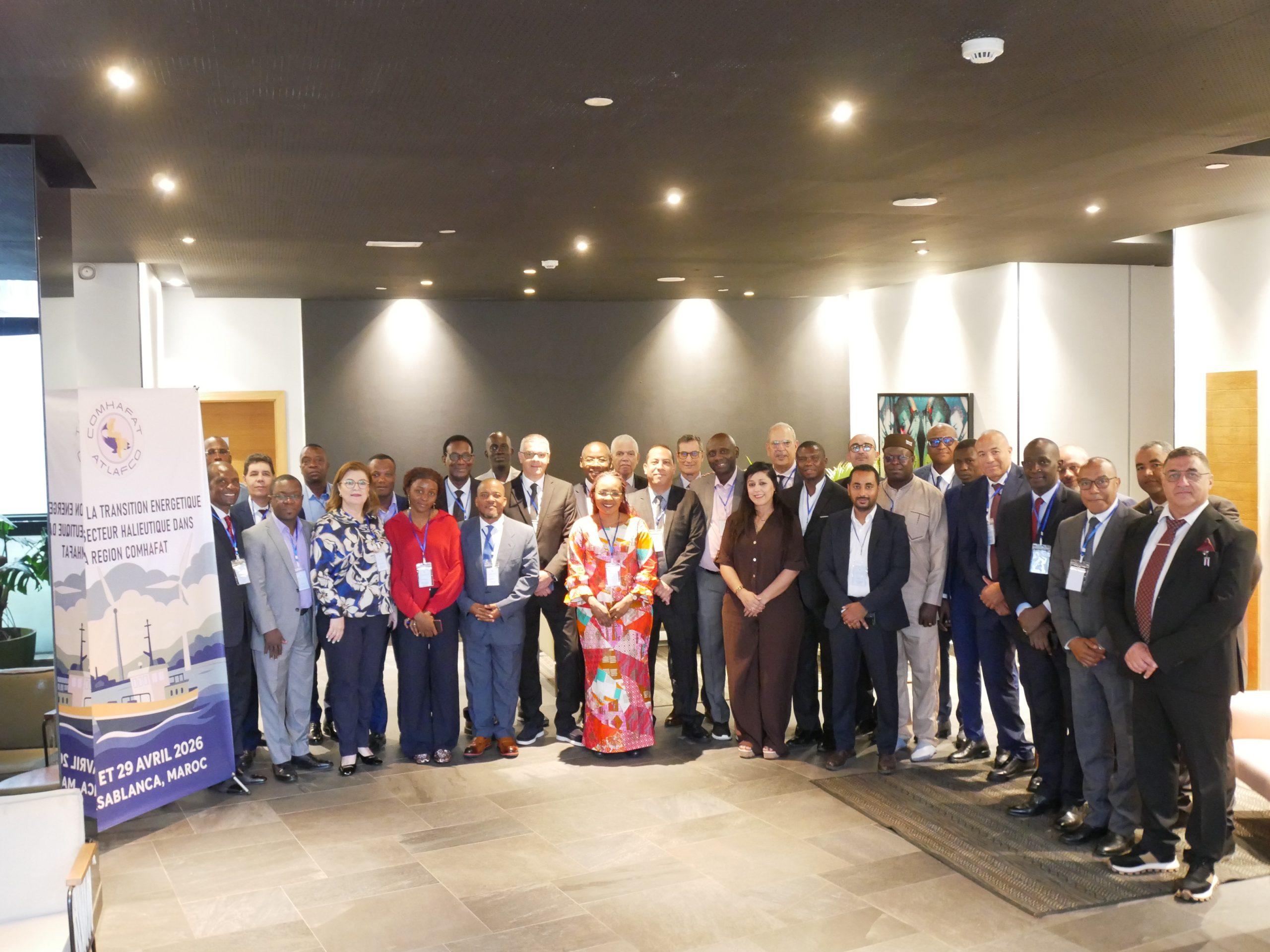
In Casablanca, ATLAFCO Member States took a major step forward by adopting ambitious recommendations to accelerate the energy transition, paving the way for a more competitive, resilient, and sustainable African fisheries sector in the face of climate and economic challenges.
Meeting in Casablanca from April 28 to 29, 2026, ATLAFCO Member States marked a significant milestone in the sustainable transformation of Africa’s fisheries sector. This strategic workshop resulted in the adoption of ambitious regional recommendations dedicated to the energy transition, laying the foundation for structured, coherent collective action tailored to the realities of the continent.
Against an international backdrop characterized by intensifying climate change, rising energy costs, and continued dependence on fossil fuels, the meeting helped shape a shared vision firmly focused on action. Discussions highlighted the need to integrate energy efficiency at every level of the fisheries value chain — from vessel construction and modernization to the optimization of port infrastructure, as well as seafood preservation and processing systems.
The adopted recommendations revolve around clear strategic priorities: strengthening national regulatory frameworks, improving access to climate financing — particularly through the Green Climate Fund — and promoting innovative, energy-efficient technological solutions adapted to local contexts. They also provide for the implementation of high-impact pilot projects, especially targeting ports, cold chains, and small-scale fisheries.
At the conclusion of the workshop, participants unanimously stressed that the energy transition has now become a strategic imperative for enhancing the competitiveness, resilience, and sustainability of the African fisheries sector. They called for greater mobilization of Member States and stronger regional cooperation to ensure the effective implementation of the commitments to be undertaken.
Through this momentum, ATLAFCO reaffirms its leading role in promoting a modern, responsible, and environmentally sustainable African fisheries sector, while fostering a new dynamic for the sustainable development of the blue economy across the continent.
Morocco/Cameroon: Signing of a framework agreement for cooperation in the fisheries sector
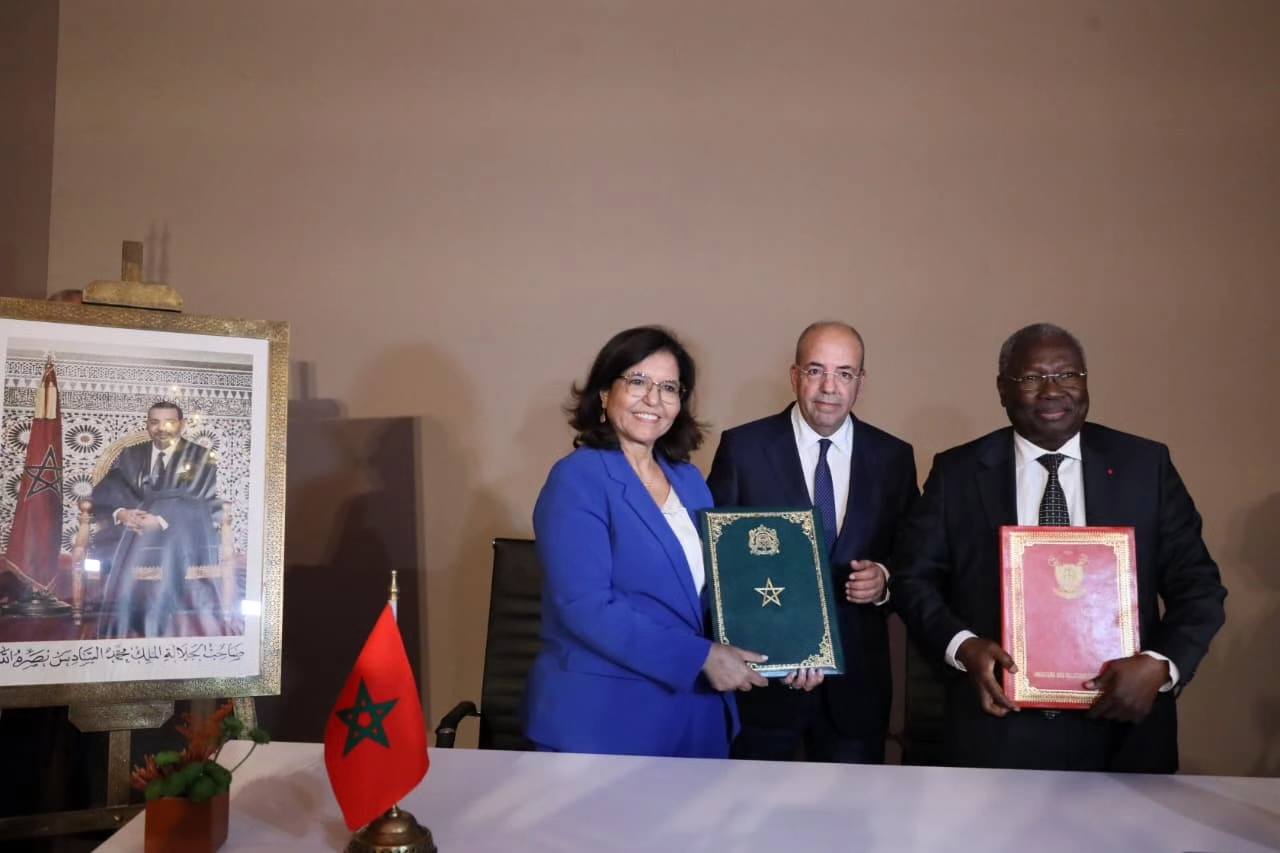
Meknes, Morocco, Thursday, April 23, 2026
A framework agreement for cooperation in the fields of marine fisheries and aquaculture was signed on Thursday in Meknes between Morocco and Cameroon, two member states of ATLAFCO, on the sidelines of the 18th edition of the International Agriculture Show in Morocco (SIAM), reflecting the shared will of both countries to strengthen their partnership in this strategic sector.
Signed by the Secretary of State in charge of Maritime Fisheries, Zakia DRIOUICH, and the Minister of Livestock, Fisheries and Animal Industries of the Republic of Cameroon, Dr. Taïga, in the presence of the Moroccan Minister of Agriculture, Maritime Fisheries, Rural Development and Water and Forests, Ahmed EL BOUARI, the agreement aims to establish a structured and comprehensive framework for collaboration in the development, preservation and good governance of the fisheries sectors of both countries, as well as to promote bilateral economic partnerships.
Speaking on this occasion, Ms. DRIOUICH stated that this cooperation framework reflects the quality of the friendly and fraternal relations between the two countries and their shared determination to consolidate a concrete and forward-looking partnership.
"It is fully in line with the South-South cooperation dynamic advocated by His Majesty King Mohammed VI, may God assist him, based on solidarity, the sharing of expertise, and the co-construction of solutions adapted to the realities of our countries," she noted.
She further specified that this partnership is structured around priority areas such as training, scientific research, resource monitoring, the development of sustainable aquaculture, the promotion of seafood products, and the fight against illegal, unreported and unregulated (IUU) fishing.
Such synergy is all the more vital, she added, as it comes in a global context marked by pressure on marine ecosystems, climate change, and food security challenges.
For his part, Dr. Taïga praised "the importance and exemplary quality of the cooperation that has linked" Rabat and Yaoundé for decades, emphasizing that this agreement opens a new chapter for the blue economy. The Cameroonian minister particularly highlighted the importance of the technical and scientific component, noting that his country could "draw inspiration from Morocco’s extensive experience in monitoring to effectively combat illegal fishing."
He also stressed the prospects offered in aquaculture, recalling actions already undertaken, including the reception of Cameroonian technicians in the Kingdom and Morocco’s participation in the first International Aquaculture Show in Cameroon, while calling for intensified cooperation.
In the face of dwindling resources, both countries thus reaffirm their commitment to responsible marine management. To this end, a joint commission will be established to ensure the monitoring and evaluation of the planned actions.
This strategic agreement therefore aims to make fisheries and aquaculture genuine drivers of development, employment, and regional integration in Africa.
Held under the High Patronage of His Majesty King Mohammed VI, the 18th SIAM runs until April 28 under the theme "Sustainability of animal production and food sovereignty."
Visit to the Headquarters of the ATLAFCO Executive Secretariat by Mr. Fassou THEA, Minister of Fisheries and Maritime Economy of the Republic of Guinea, The current President of ATLAFCO
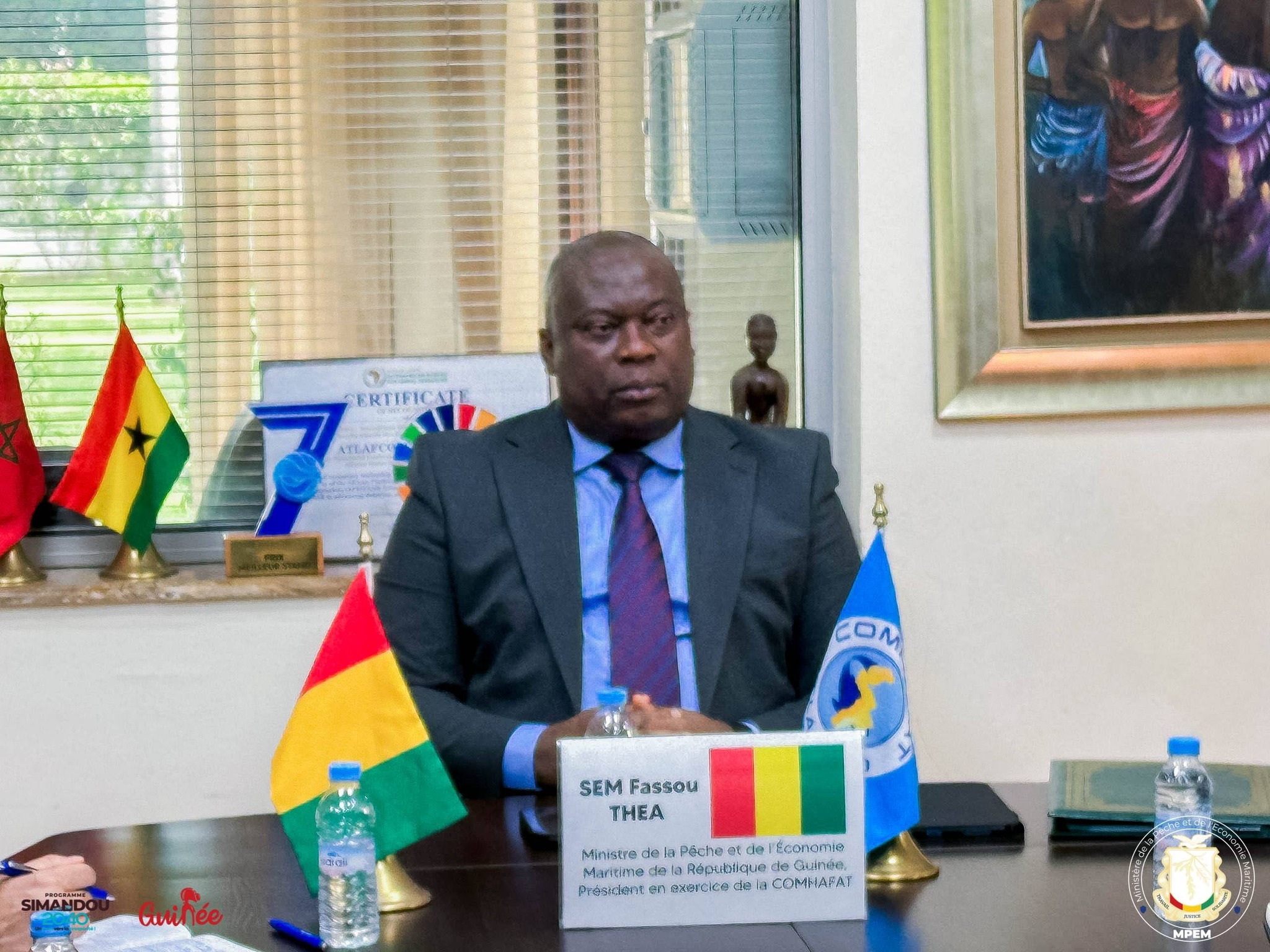
Rabat, April 20, 2026
As part of the official visit of a delegation from the Republic of Guinea, led by Mr. Fassou THEA, Minister of Fisheries and Maritime Economy, The current President of ATLAFCO, to the Kingdom of Morocco from April 20 to 23, 2026, a visit to the headquarters of the Executive Secretariat took place on the afternoon of Monday, April 20.
During this meeting, attended by staff members, the President reaffirmed the commitment of the Republic of Guinea, during its current term as Acting President of the Organization, to further strengthen fisheries cooperation among member states and enhance their capacities in the fisheries value chain.
He also expressed his determination to energize and strengthen the actions already undertaken within the Organization under its 2025–2027 strategic action plan.
During this working session, the President outlined the Kounki Project, an ambitious USD 128 million program aimed at improving the livelihoods of coastal communities in the Republic of Guinea while strengthening their resilience to the effects of climate change.
Signed on June 9, 2025, within the framework of the United Nations Ocean Conference (@UNOC), this ambitious project is part of the Vision 2040 for an emerging and prosperous Guinea, led by His Excellency the President of the Republic, through the implementation of 122 flagship projects.
The Kounki Project, focused on the fisheries sector and supported by several international development institutions, is structured around three key components:
- Sustainable fisheries management through management plans, applied research, and institutional strengthening of the Ministry of Fisheries and Maritime Economy (MPEM);
- Improvement of value chains, with modernized infrastructure for artisanal fisheries and the development of aquaculture hubs in several regions;
- Creation of economic opportunities, particularly through improved access to credit and diversification of local economic activities.
With 4.5% of national GDP and more than 238,000 direct jobs, the fisheries sector is a major pillar of Guinea’s economy, yet it is threatened by the effects of climate change, as is the case for many coastal states.
The Kounki Project also aims to modernize fishing practices and develop aquaculture to address these challenges. It further contributes to Guinea’s international commitments in ocean governance, actively anchoring the country’s participation in the United Nations Ocean Conference (UNOC 2025). At the intersection of national priorities and global objectives, Kounki represents an integrated response to climate and maritime challenges.
The President emphasized that this new strategic framework should strengthen his country’s presence in the region, create “regional leadership,” and contribute to the emergence of a blue economy whose positive impacts will extend throughout the ATLAFCO region.
He also highlighted the role that ATLAFCO must continue to play in supporting its member states in fisheries research, maritime training, maritime surveillance, sustainable aquaculture development, value addition of seafood products, strengthening landing infrastructure for fishing fleets, and technological innovation as key pillars of good fisheries governance and sustainable use of living marine resources.
At the end of this presentation, the President expressed his deep gratitude and appreciation, on his own behalf and on behalf of all member states, to the High Authorities of the Kingdom of Morocco for their continued support to the functioning of this important African intergovernmental organization, enabling it to continue to strongly represent Africa’s voice in ocean diplomacy, ocean sustainability, and food security for the benefit of its member states and the international community.
He concluded the meeting by thanking the OFCF, a partner of ATLAFCO, for its support to the Fisheries Promotion Fund (FPF), and congratulated all staff members of the Executive Secretariat for their daily efforts in implementing the projects included in the 2025–2027 strategic action plan and for their constant commitment alongside member states and the acting presidency of the Organization.
Workshop: “Training engineering and technological innovation: Towards a harmonization of programs and alignment with international standards in the ATLAFCO Region.”
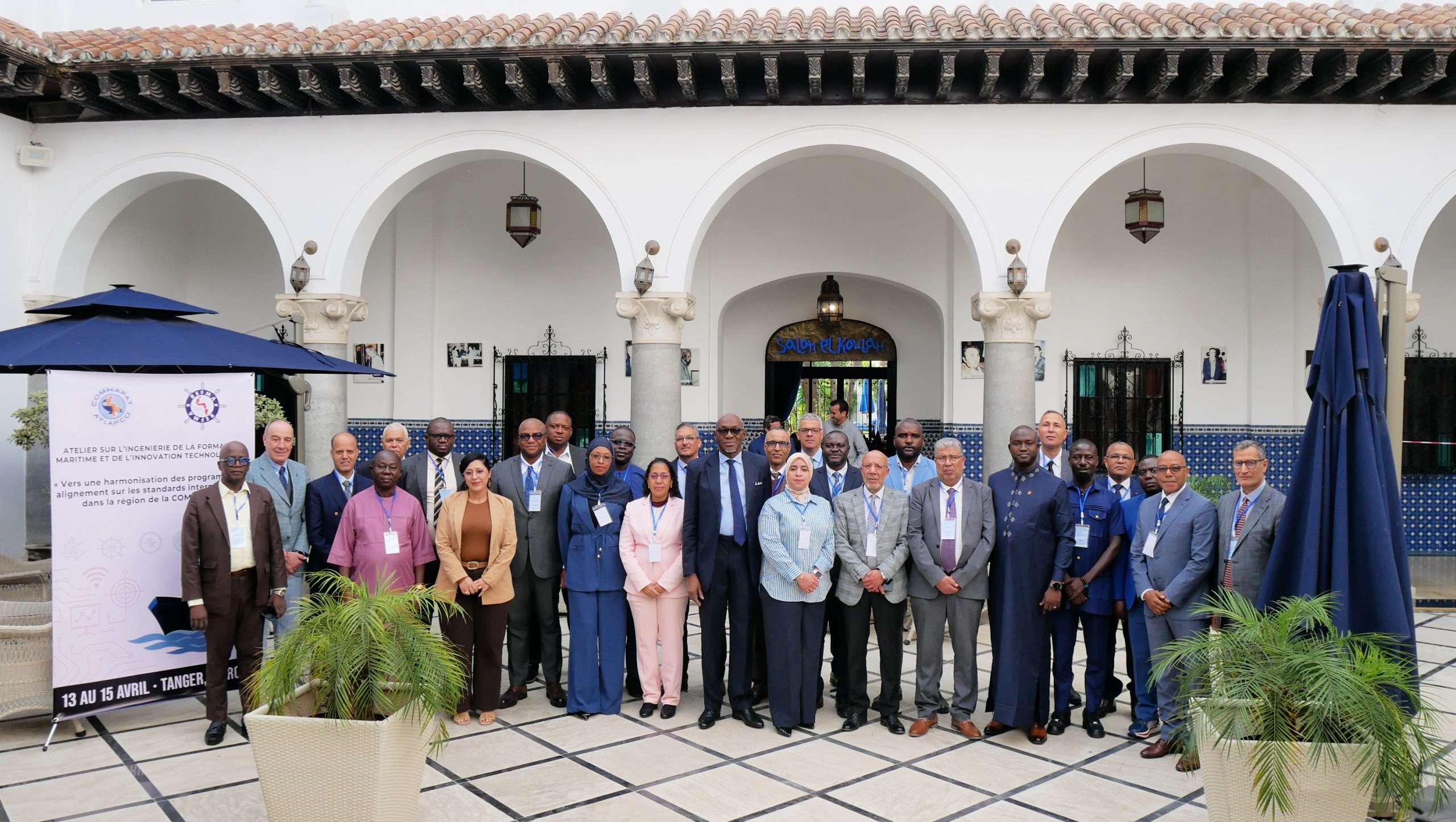
ATLAFCO Leverages REFMA to Structure Maritime Training in Africa
Tangier, April 13–15, 2026 – ATLAFCO organized a regional workshop dedicated to the harmonization of training Programs for the benefit of the Maritime Training Institutions Network (REFMA).
Bringing together high-level experts and representatives of member states, this strategic meeting laid the foundations for a coherent, modernized maritime training framework fully aligned with international standards.
This initiative made it possible to carry out a comprehensive assessment of maritime training programs within the ATLAFCO region. Discussions highlighted the significant progress achieved in recent years, while also underscoring persistent challenges, particularly regarding the quality of education, the harmonization of curricula, and alignment with labor market requirements. In this context, participants emphasized the need for stronger integration of international standards, such as the STCW-F Convention, as well as the importance of adopting innovative teaching approaches in line with ongoing changes in the maritime and fisheries sectors.
The work led to the development of an action plan structured around pedagogical, technological, human, and administrative priorities. This strategic framework aims to support REFMA member institutions in their modernization processes by providing them with appropriate and effective tools to meet the demands of a constantly evolving environment.
On the sidelines of the workshop, the 7th REFMA General Assembly was marked by the renewal of its executive board, with the election of Professor Ibrahim Imorou Toko of Benin as its President. This new leadership reflects the strong commitment of member states to strengthening the network’s strategic role as a key driver for the development of human skills in Africa’s maritime sector.
Furthermore, a visit to the Maritime Fisheries Technology Institute in Larache provided a concrete illustration of the quality standards expected in vocational training, while highlighting best practices to be promoted and disseminated at the regional level.
The Tangier meeting marks a decisive milestone in building an integrated, modern African maritime training space aligned with international standards. Through this collective momentum, ATLAFCO, in close collaboration with REFMA, reaffirms its determination to promote strengthened regional cooperation and to support the sustainable development of the maritime sector, placing human capital at the heart of transformation and performance for the sustainable use of living marine resources.
Rabat hosts the first edition of the FAO International Course on the coordinated implementation of the Three Treaties: The Agreement on Port State Measures (PSMA), the 2012 Cape Town Agreement of the International Maritime Organization (IMO), and the Work in Fishing Convention, 2007 of the International Labour Organization (ILO C.188).
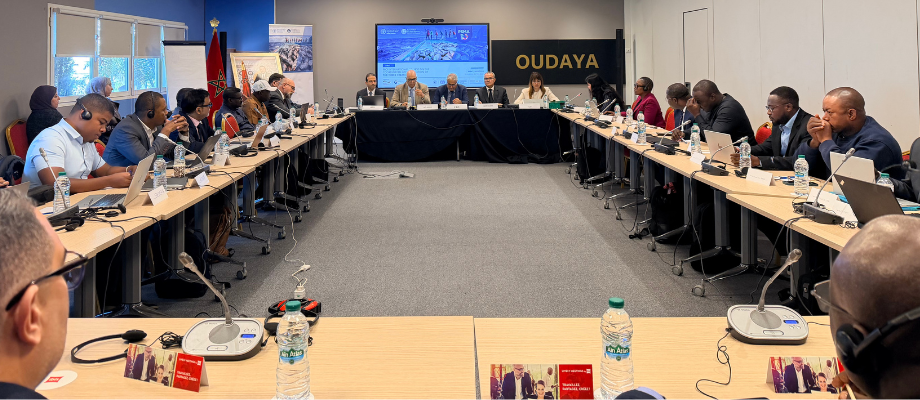
Fisheries and port State control officers responsible for fishing vessel safety and decent working conditions on board have benefited from the first edition of this course launched by the Food and Agriculture Organization of the United Nations (FAO) under its Global Capacity Development Program, aimed at supporting the implementation of the FAO Agreement on Port State Measures (PSMA). This year marks the 10th anniversary of the PSMA’s entry into force.
The FAO international course held in Rabat, Morocco, from 30 March to 3 April 2026 aims to strengthen the capacities of national administrations in the coordinated implementation of the three treaties, namely: the Agreement on Port State Measures (PSMA), the 2012 Cape Town Agreement of the International Maritime Organization (IMO), and the Work in Fishing Convention, 2007 of the International Labour Organization (ILO C.188).
This course helps national agencies coordinate the implementation of the three treaties, which respectively contribute to combating illegal, unreported and unregulated (IUU) fishing, ensuring the safety of fishing vessels, and promoting decent working conditions on board fishing vessels.
It enables officials from national fisheries, maritime, and labor administrations to better understand these three international treaties and their implementation, identify areas requiring inter-agency collaboration for coordinated implementation, and become familiar with the available tools and resources.
A total of 26 officers from Cameroon, Gabon, Kenya, Madagascar, Namibia, Nigeria, Senegal, The Gambia, and Tunisia are the first beneficiaries of this international course. The training is funded by the Federal Republic of Germany and the Ministry of Oceans and Fisheries of the Republic of Korea, with technical collaboration from the Ministerial Conference on Fisheries Cooperation among African States bordering the Atlantic Ocean (COMHAFAT), the International Maritime Organization (IMO), the International Labour Organization (ILO), and the Government of Morocco.
This course is part of FAO’s Global Training Programme on fisheries, which contributes to national, regional, and global efforts to prevent, deter, and eliminate IUU fishing.
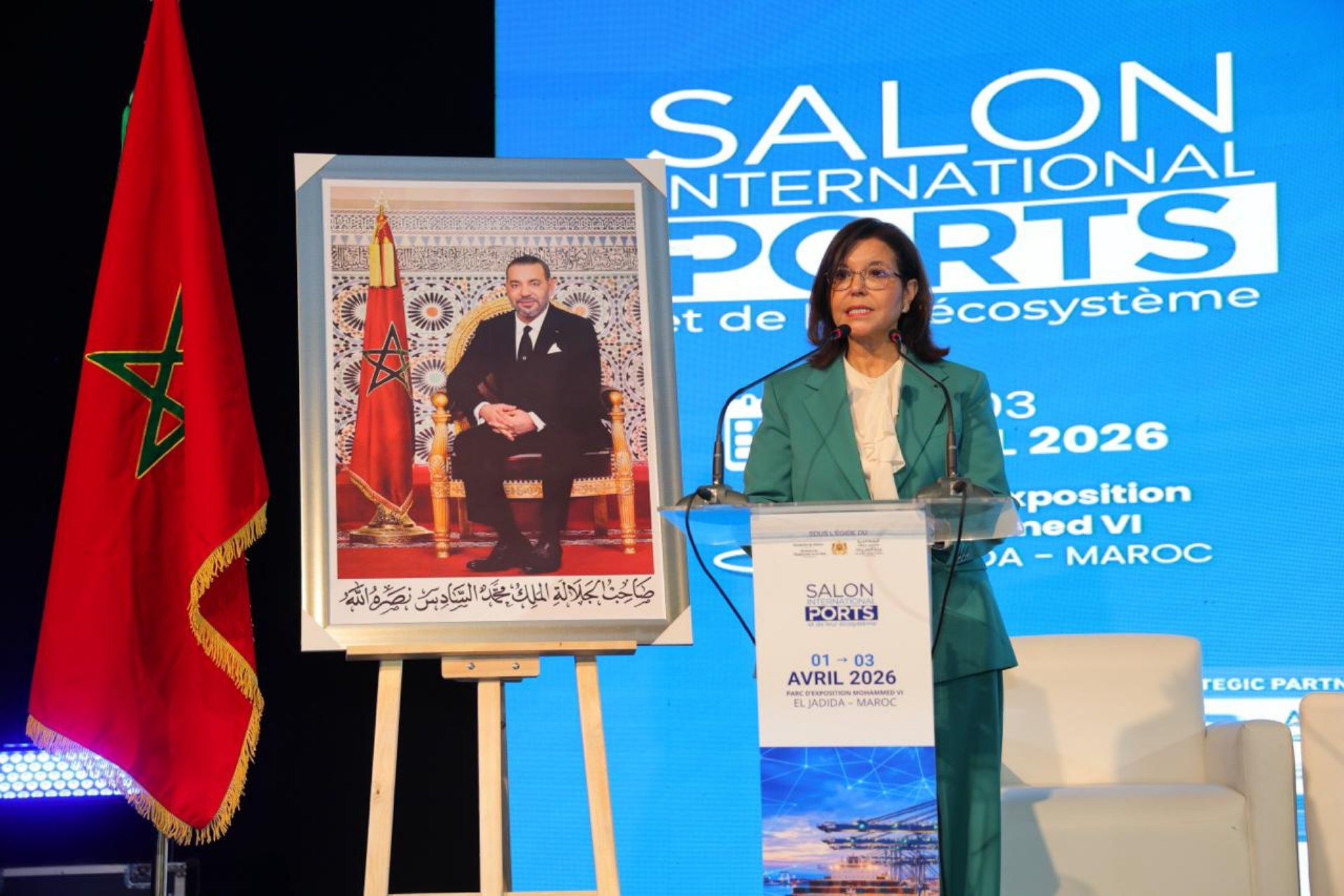
ATLAFCO’s Participation in the 1st Edition of the International Ports and Their Ecosystem Expo (SIPORTS 2026)